Arctic Ice as Legal Test Case
|
Arctic Ice as Legal Test Case
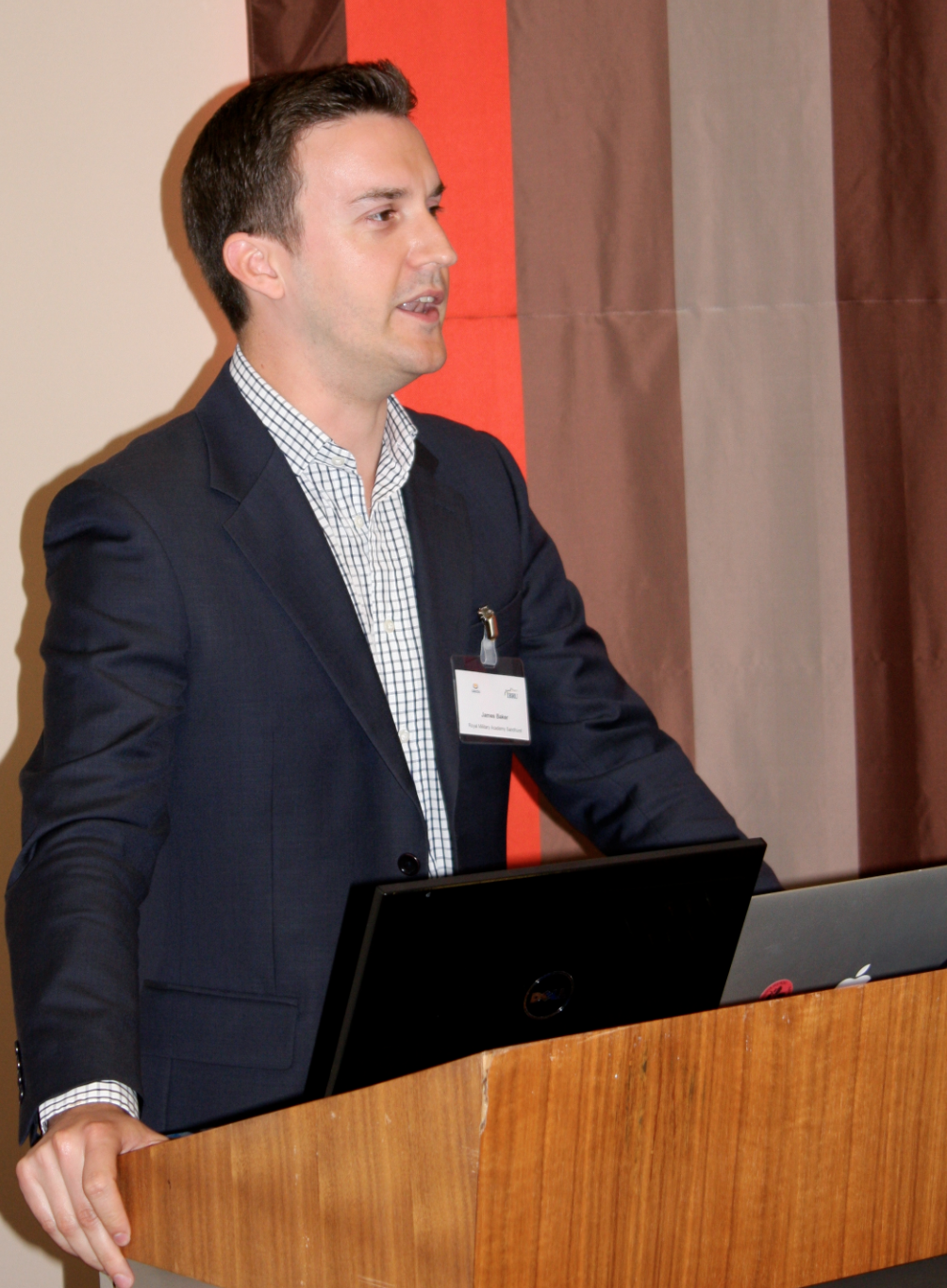
Dr. James Baker, Senior Lecturer, Department of Defence and International Affairs, the Royal Military Academy Sandhurst |
The Arctic’s offshore ice has always complicated the land-sea distinction on which international legal rules are predicated. However, the status of ice has not predominantly tended to be recognised or problematised in international law because it did not need to be. The Arctic’s ice exists in a climatically harsh geographical space that was previously not of much interest to actors other than the comparatively few people who lived there, for scientists and for militaries. The activities pursued in these regions could go on without special legal regulation.
It is, thus, not the ice itself that apparently necessitates unique and novel legal regulation because of a mismatch between its uses and existing rules, it is the changes in the ice and the concomitant upsurge in activity in regions in which ice is found that arguably creates this demand. In this sense, it is the loss of ice, particularly in the Arctic, that is literally opening up the region to more intense activity than before and the interest of international actors who previously paid the region little heed. But the ice will be present to varying degrees and at varying times of year for a considerable period yet. Arguably, even if the ice is permanently lost, there will still be regulatory issues to be resolved relating to it. The regulation of ice will, therefore, be of considerable importance going into the future.
The law might relate to ice in a number of distinct ways: it could relate to ice directly, or to the spaces in which ice is either seasonally present, or in which it was historically present. In other words, a law of ice might engage ice itself, or simply apply to geographical space. This would depend on the different meanings of and the varying significance of ice to a range of actors in the Arctic.
Indeed, ice cannot be understood in monolithic terms. It differs in a physical sense in terms of its composition as well as in its relationship to land, people and the state. The physical properties of ice have tended to predominate in analyses of its legal character. These have also normally been confined to one corpus of international law: the law of the sea. It is largely the physical similarity or dissimilarity of ice to land that has been contemplated in order to categorise it in law. Naturally, this places restrictions on the factors that are taken into account in determining the status of ice. For the most part, these rules consider that water is water whether in its liquid or solid state.
This view only indirectly considers the human uses of ice. The fundamental raison d’etre of the law of the sea, unlike the land, is to regulate activity in an international space. This perspective is taken for granted in the view of ice as water. But, the ice has, hitherto, been closed to serious international activity and, over time, limited human use of the Arctic’s ice by indigenous peoples has existed in isolation. Balancing these rights, which were acquired in a different time and under different circumstances, with those of new users of a transformed region is a major task. The ice, in this sense, has history and that history is relevant to its contemporary and future regulation.
With this in mind, the relationship of ice to the state and to individual peoples as well as to the sea and to international actors, would seem to provide fertile ground for engaging additional regimes in order to determine its legal status – particularly those relating to human rights and the environment. This has already taken place to some degree at the sub-state level, with the Inuit Circumpolar Council emphasising the relationship of indigenous peoples to the ice in its petition to the Inter-American Commission on Human Rights. This petition sought a determination that the United States – as the world’s largest emitter of greenhouse gases – had breached the human rights of the Inuit by contributing to the transformation of their environment with associated effects on their cultural survival.
The action did not succeed in generating legal innovation, but it did begin a dialogue that, as a by product of the main aim of the move, problematised the neat distinction between land and sea when it comes to thinking about ice. The Inuit emphasised a human relationship with ice that is distinctive – and which demands the preservation of the ice itself. For the Inuit, the ice is more than simply frozen water, it is a location for the performance and preservation of a valued culture, in many ways comparable to the land. Within this formulation, it is the utilisation of ice with its distinct materiality that is crucial to cultural survival, rather than the ability simply to utilise the geographical area in which ice is present – arguably the dominant interest of outside actors.
Although a political community’s relationship to territory is ordinarily preserved through claims to sovereignty over space, for the Inuit, this would be insufficient. The ice cannot be preserved for future Inuit simply by gaining exclusive legal control over it. The protection of the ice can only be achieved through international collaboration, rather than unilateral action. Thus, the ice challenges the distinction between land and sea, as well as territorial and non-territorial spaces in a further way. Its very distinctive materiality necessitates unique regulatory solutions for its preservation in the near term.
If, as it seems likely, the Arctic’s ice will not be preserved through international efforts to address climate change, this arguably does not dispose of the issue of the need to create rules relating to the ice and the geographical spaces in which it is present. Although natural processes elsewhere lead to the erosion or growth of landmasses, this is not comparable to the widespread and sudden loss that the Inuit will have to absorb in the Arctic. In this respect, the Arctic’s ice is perhaps best viewed as a test case for the legal developments that will increasingly become necessary to deal with losses accruing to political communities as a result of climate change. The artificially stable map of the world on which international order is predicated will increasingly change in the future. Perhaps the next problem that will demand a solution is the relatively comparable situation of small island developing states whose territory is similarly under threat to that of the Inuit. It is for this reason that the Arctic’s ice is particularly useful for thinking more broadly about the future of territory in a transforming world.
It is, thus, not the ice itself that apparently necessitates unique and novel legal regulation because of a mismatch between its uses and existing rules, it is the changes in the ice and the concomitant upsurge in activity in regions in which ice is found that arguably creates this demand. In this sense, it is the loss of ice, particularly in the Arctic, that is literally opening up the region to more intense activity than before and the interest of international actors who previously paid the region little heed. But the ice will be present to varying degrees and at varying times of year for a considerable period yet. Arguably, even if the ice is permanently lost, there will still be regulatory issues to be resolved relating to it. The regulation of ice will, therefore, be of considerable importance going into the future.
The law might relate to ice in a number of distinct ways: it could relate to ice directly, or to the spaces in which ice is either seasonally present, or in which it was historically present. In other words, a law of ice might engage ice itself, or simply apply to geographical space. This would depend on the different meanings of and the varying significance of ice to a range of actors in the Arctic.
Indeed, ice cannot be understood in monolithic terms. It differs in a physical sense in terms of its composition as well as in its relationship to land, people and the state. The physical properties of ice have tended to predominate in analyses of its legal character. These have also normally been confined to one corpus of international law: the law of the sea. It is largely the physical similarity or dissimilarity of ice to land that has been contemplated in order to categorise it in law. Naturally, this places restrictions on the factors that are taken into account in determining the status of ice. For the most part, these rules consider that water is water whether in its liquid or solid state.
This view only indirectly considers the human uses of ice. The fundamental raison d’etre of the law of the sea, unlike the land, is to regulate activity in an international space. This perspective is taken for granted in the view of ice as water. But, the ice has, hitherto, been closed to serious international activity and, over time, limited human use of the Arctic’s ice by indigenous peoples has existed in isolation. Balancing these rights, which were acquired in a different time and under different circumstances, with those of new users of a transformed region is a major task. The ice, in this sense, has history and that history is relevant to its contemporary and future regulation.
With this in mind, the relationship of ice to the state and to individual peoples as well as to the sea and to international actors, would seem to provide fertile ground for engaging additional regimes in order to determine its legal status – particularly those relating to human rights and the environment. This has already taken place to some degree at the sub-state level, with the Inuit Circumpolar Council emphasising the relationship of indigenous peoples to the ice in its petition to the Inter-American Commission on Human Rights. This petition sought a determination that the United States – as the world’s largest emitter of greenhouse gases – had breached the human rights of the Inuit by contributing to the transformation of their environment with associated effects on their cultural survival.
The action did not succeed in generating legal innovation, but it did begin a dialogue that, as a by product of the main aim of the move, problematised the neat distinction between land and sea when it comes to thinking about ice. The Inuit emphasised a human relationship with ice that is distinctive – and which demands the preservation of the ice itself. For the Inuit, the ice is more than simply frozen water, it is a location for the performance and preservation of a valued culture, in many ways comparable to the land. Within this formulation, it is the utilisation of ice with its distinct materiality that is crucial to cultural survival, rather than the ability simply to utilise the geographical area in which ice is present – arguably the dominant interest of outside actors.
Although a political community’s relationship to territory is ordinarily preserved through claims to sovereignty over space, for the Inuit, this would be insufficient. The ice cannot be preserved for future Inuit simply by gaining exclusive legal control over it. The protection of the ice can only be achieved through international collaboration, rather than unilateral action. Thus, the ice challenges the distinction between land and sea, as well as territorial and non-territorial spaces in a further way. Its very distinctive materiality necessitates unique regulatory solutions for its preservation in the near term.
If, as it seems likely, the Arctic’s ice will not be preserved through international efforts to address climate change, this arguably does not dispose of the issue of the need to create rules relating to the ice and the geographical spaces in which it is present. Although natural processes elsewhere lead to the erosion or growth of landmasses, this is not comparable to the widespread and sudden loss that the Inuit will have to absorb in the Arctic. In this respect, the Arctic’s ice is perhaps best viewed as a test case for the legal developments that will increasingly become necessary to deal with losses accruing to political communities as a result of climate change. The artificially stable map of the world on which international order is predicated will increasingly change in the future. Perhaps the next problem that will demand a solution is the relatively comparable situation of small island developing states whose territory is similarly under threat to that of the Inuit. It is for this reason that the Arctic’s ice is particularly useful for thinking more broadly about the future of territory in a transforming world.
|
Indeterminate and Changing Environments: Law, the Anthropocene, and the World
|
